
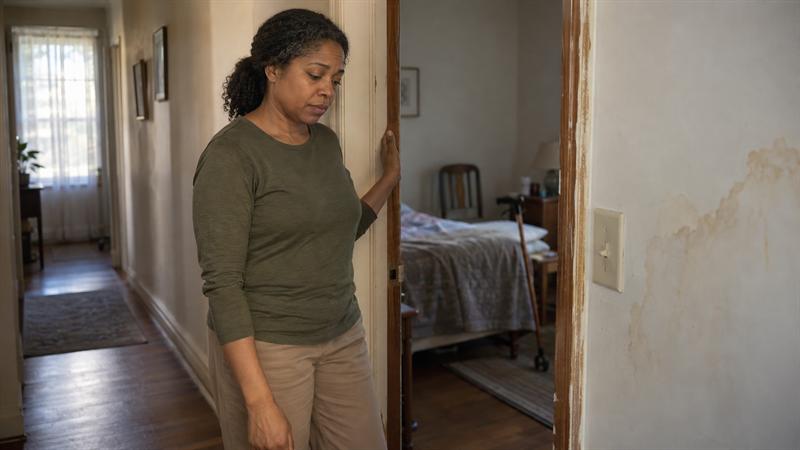
At Dr. Barbara Samaroo’s The Healing Corner, many caregivers are trying to follow good advice that simply does not match the pace of caregiving. That is where routines often break down. When a routine requires extra time, extra energy, or the perfect setup, it usually does not last.
Micro-routines address a different problem. They are not about creating an ideal schedule. They are about creating small points of relief that fit inside a real caregiving day.
Why traditional self-care advice often fails caregivers
Traditional self-care advice often asks for more planning, more time, and more consistency than caregivers can realistically give. That gap can create frustration. Instead of feeling supported, many caregivers end up feeling behind.
A common pattern is starting with good intentions, missing a few days because caregiving needs change, then dropping the routine completely. This often gets worse when self-care is treated like a full project instead of a small daily support.
The problem with all-or-nothing routines
All-or-nothing routines can create pressure. If the plan only counts when there is uninterrupted time, a calm space, and enough energy to follow through, many caregiving days will disrupt it.
That pressure usually leads to one of two outcomes. The routine gets abandoned, or it becomes one more source of guilt. Neither result supports balance very well.
Why small routines are often more sustainable
Small routines often work because they ask less from an already overloaded day. They can reduce decision fatigue, fit around interruptions, and still create a reset point.
In everyday wellness support, smaller actions are often easier to repeat under stress. Repetition can matter more than intensity here. A one-minute routine done regularly may be more useful than a longer routine that rarely happens.
What a micro-routine is and how it helps
A micro-routine is a short, repeatable action that supports well-being without needing a major schedule change. It can happen in a brief moment. What makes it useful is not its size, but how well it fits the day.
For caregivers, that fit matters because the day often moves in fragments. A useful routine has to work before the next task starts, not after everything is done.
What makes a micro-routine realistic
- It fits into a moment that already happens.
- It takes very little mental effort to begin.
- It still works on a hard day, not only on a good one.
If a routine only works under ideal conditions, it is not realistic. This is where many people get stuck. They choose something that sounds helpful, but not something they can actually repeat.
Micro-routines for rest when the day feels nonstop
Rest does not always mean lying down or taking a full break. For caregivers, rest often needs to happen in small pieces throughout the day. That may include a brief breathing reset, less sensory input, a pause in movement, or a short release of body tension.
When these moments are skipped, tension can keep building through the day. That often leaves less room for recovery by evening.
One-minute reset ideas
- Take one slow breath before entering the next room.
- Unclench the jaw and drop the shoulders after a demanding task.
- Step into a quieter space briefly.
- Drink a glass of water without doing anything else at the same time.
These are simple on purpose. If a reset is too complicated, it often will not happen when stress is high.
Five-minute rest routines
- Sit down without multitasking and let the body fully pause for a few minutes.
- Do a short stretch for the neck, shoulders, hands, or lower back.
- Use a calming scent as part of a quiet reset if sensory comfort helps.
- Close out one stressful moment before rushing into the next one.
For some people, sensory support can make rest easier to access. If that feels relevant, questions to ask before an essential-oil wellness service offers a practical starting point.
Evening wind-down ideas
- Lower the lights in one part of the home.
- Put away one task instead of trying to finish everything.
- Soak the feet briefly or sit still before bed.
- Use one simple reflection question such as “What can wait until tomorrow?”
Evening routines often fail when they ask too much from a tired person. Low-effort routines are often the ones most likely to hold.
If caregiver stress is showing up in the body every day, it is worth paying attention.
- You feel tense before the day has fully started.
- You move from task to task without any reset in between.
- You feel guilty when you try to pause.
- Even short recovery moments feel hard to begin.
When these signs are consistent, a more intentional support plan may help.
Micro-routines for boundaries without adding more stress
Boundaries are often misunderstood as something big, verbal, or confrontational. In caregiving, boundaries are often smaller than that. They are repeated cues that can protect energy, reduce emotional spillover, and help one task end before the next begins.
This is where problems often grow quietly. Without boundaries, the day can blend together. Stress from one interaction carries into the next, and the caregiver may never fully reset.
Transition rituals before and after caregiving tasks
- Pause at the doorway before entering a room.
- Wash hands slowly as a cue that one task is finished.
- Take one steady breath after a difficult conversation.
- Stand still for a moment before starting the next responsibility.
These rituals matter because they create separation. Without that separation, tension can accumulate and the day can start to feel emotionally crowded.
Simple phrases and cues that protect time and energy
- “Give me one moment.”
- “I need to finish this first.”
- “Not right this second.”
- Pause before automatically saying yes.
Not every boundary needs a speech. Sometimes the most useful boundary is a delay, a breath, or a repeated cue that gives you a moment before responding.
Micro-routines for everyday balance
Balance usually does not come from one big reset. It often comes from small routines placed at the right moments in the day. For caregivers, those moments are often morning, midday, and the transition into evening.
Organizing routines this way makes them easier to use. It also reduces the pressure to remember a long list of wellness habits.
Morning grounding ideas
- Sit briefly before checking messages.
- Take one grounding breath before getting up.
- Drink tea or water without multitasking.
- Choose one steady intention for the day.
Morning often sets the pace for the rest of the day. If the day starts in urgency, that urgency may carry forward.
Midday reset ideas
- Stretch during a waiting period.
- Notice tension in the face, neck, or shoulders and release it.
- Step outside briefly for fresh air.
- Move away from noise for a short pause.
Midday stress builds when there is no interruption between demands. Even a brief reset can help keep that buildup from turning into deeper exhaustion by evening.
End-of-day decompression ideas
- Change clothes to signal the day is shifting.
- Wash hands slowly and let that be a reset cue.
- Choose one calming action before bed.
- Let one unfinished task stay unfinished until tomorrow.
End-of-day decompression is not about finishing perfectly. It is about reducing carryover. When there is no transition out of caregiving mode, sleep and recovery can become harder.
How to build a routine that works in real life
The most practical routine is usually the one built around a pressure point, not a goal that sounds good on paper. Start where stress shows up most clearly. Then make the response small enough to repeat.
This is one reason group learning can help. For people who want structured support around realistic wellness habits, Gwen’s Workshop Menu offers a clearer picture of how topics can be explored in a guided setting.
Start with one pressure point
Choose one moment that reliably feels hard. That could be the first part of the morning, cleanup after meals, medication time, or bedtime.
If the same stress point keeps showing up every day, that usually means the routine should begin there. Starting with the hardest moment often creates the strongest payoff.
Pair the routine with what already happens
Attach the routine to something that already exists. After washing hands, take one full breath. After sitting down, release the shoulders. After turning off a light, pause briefly before moving on.
This works because the routine does not need its own reminder system. It sits on top of an action already built into the day.
Adjust the routine without losing it
If more time is not possible, keep the shortest version. If the location changes, keep the same cue. Flexibility is what keeps a routine alive.
A common mistake is treating a reduced routine like failure. It is not. In caregiving, the better question is whether the routine survived the day at all.
When it may help to look for more support
Micro-routines are useful, but they do not fix everything. When stress is constant, recovery feels harder, and even small resets are difficult to maintain, that often means more support is needed.
At Dr. Barbara Samaroo’s The Healing Corner, caregiver support does not need to start with an intense commitment. Sometimes the most practical next step is education, discussion, or a low-pressure wellness format that helps a person understand what kind of support fits their situation.
For caregivers looking for structured community education, wellness workshops for community groups, caregivers, and youth can offer a supportive starting point.
Community support can make routines easier to maintain
Support is often easier to maintain when it is not carried alone. A discussion group or workshop can give language, structure, and accountability to routines that are otherwise easy to drop.
For readers who want to understand that format better, what to expect from an online wellness discussion group explains how that kind of space can work.
Key Takeaways
- Caregiver self-care routines often work better when they are small and repeatable.
- Rest does not need to wait for a full break. It can happen in short, intentional pauses.
- Boundaries are often most effective when they are subtle, consistent, and tied to everyday transitions.
- The best routine is the one that still works on a difficult day.
- If stress is constant and recovery keeps shrinking, more support may be needed.
Conclusion
The real problem is not that caregivers do not care about self-care. The problem is that much advice does not match the reality of interrupted time, body tension, emotional overload, and nonstop responsibility. When that mismatch is ignored, stress can keep building, routines can keep failing, and recovery can keep getting pushed further out of reach.
Dr. Barbara Samaroo’s The Healing Corner is a practical next step for caregivers who need support that feels grounded, flexible, and realistic. Whether the need is a wellness conversation, community education, or a clearer path into supportive care, the goal is to help caregivers find an approach they can actually use. To move forward, visit the Contact page and ask about caregiver-focused wellness support.
Company Approach
At Dr. Barbara Samaroo’s The Healing Corner, the approach to caregiver wellness is centered on what fits real life. That means looking at pressure points, energy patterns, sensory comfort, and the kind of support a person can realistically sustain.
For some caregivers, that begins with conversation-based support. For others, it may include holistic wellness services that feel calming and manageable within a broader routine. If a lower-touch or discussion-based format feels like the better fit, this guide to choosing a conversation-only or low-touch wellness session can help clarify the difference.
FAQ
What is a good self-care routine for a caregiver with no free time?
A good self-care routine for a caregiver with almost no free time is one that fits into a moment that already exists. That usually means a brief routine tied to something predictable, such as getting out of bed, washing hands, sitting down, or turning off a light.
For example, taking one slow breath before entering the next room is a real routine if it happens consistently. What often gets misunderstood is the idea that self-care only counts when it is long, quiet, or deeply restorative. For caregivers, the better standard is whether the routine is realistic enough to survive an ordinary day.
How can caregivers reduce stress without leaving the house?
Caregivers can reduce stress at home by creating small reset moments that ease body tension, sensory overload, or emotional carryover between tasks. That includes brief stretching, sitting without multitasking, stepping into a quieter space, or dimming lights in the evening.
The useful distinction is that these are not random tips. They work best when tied to daily transitions. Stress at home tends to build when there is no pause between responsibilities, so the goal is not escape. The goal is creating recovery inside the environment that is already demanding.
How do caregivers set boundaries without feeling guilty?
Caregivers usually set boundaries with less guilt when they stop thinking of boundaries as rejection and start thinking of them as energy protection. A small boundary might be saying, “Give me one moment,” waiting before saying yes, or using a repeated pause after a difficult interaction.
What matters most is consistency. Many people assume a boundary has to be big to matter, but in caregiving that is often not true. Small, repeated limits often work better because they are easier to keep and less likely to create extra strain.
What are examples of micro-routines for caregivers?
Examples include one grounding breath in the morning, a shoulder release after helping with a physical task, a short stretch during a waiting period, washing hands slowly as a transition cue, or lowering lights before bed. These routines are small, but they create structure around stress points in the day.
The reason these examples help is that they are attached to moments that already happen. That is what makes them different from wellness goals that stay abstract. A micro-routine is not just a good idea. It is an action that fits into a repeatable place in the day.
Can small routines really help with caregiver stress?
Yes, small routines can help with caregiver stress because they interrupt buildup. They do not remove every source of pressure, but they can create moments of relief, reduce physical tension, and make it easier to move from one task to the next without carrying everything forward.
This is where people often dismiss the wrong thing. A routine does not have to be dramatic to be useful. In many caregiving situations, a steady one-minute reset may have more value than a larger routine that never becomes part of daily life.
When should a caregiver look for more support?
A caregiver may want to look for more support when stress feels constant, recovery keeps getting shorter, and even very small routines feel hard to maintain. That pattern often means the strain is no longer just situational. It is becoming part of the day-to-day pattern.
The key factor is repetition. One hard week is different from a constant pattern of overwhelm, tension, and emotional spillover. When that pattern is in place, added structure, discussion, or wellness support often becomes more practical than trying to solve everything alone.